
316L or 316LVM are the only acceptable grades of stainless steel for use as body jewellery. 316L is surgical stainless steel - it‘s the most common and widely used option for body piercings. 316LVM is the same as 316L, but has the added advantage of having been melted in a vacuum giving it a virtually flawless finish and reduces the chance of minor alloy inclusions, which can irritate the wearer.
Sterling silver is only .925% silver and contains other metals that can cause irritation. It also oxidizes (tarnishes) when it comes in contact with body fluids and air. The fact that silver is soft increases the risk of small non-visible nicks and scratches in the metal that can become a harbor for bacterial growth. Sterling silver is recommended for well-established earlobe piercings only and short-term wear. Silver-plated jewelry is not recommended at all for navel piercings.
Similar to silver, gold is soft and can have imperfections that can breed bacteria. Higher grades of gold are considered better because they contain less nickel. Solid gold is only recommended for well-healed piercings and for those that have a history of being able to wear gold without irritation.
Gold plated is not suitable for piercings that are still healing nor for belly piercings that are particularly sensitive. Gold plated belly rings should only be worn in the navel for special occasions and short periods of time rather then as an everyday navel ring.
Titanium is the fourth most abundant structural metal on earth. The nickel content is less than 0.05% by mass making it ideal for those sensitive to nickel. Titanium is also bio-compatible and is totally resistant to body fluids. The light refracting off the oxidised surface allows an incredible range of colours and it is extremely lightweight, scratch-resistant, highly-polished and very tough (three times stronger than steel).
,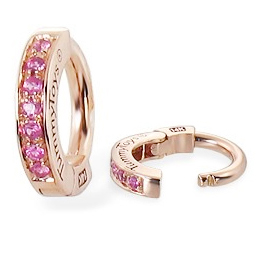
“A super special thanks for sending me the pink belly bar! It arrived yesterday and it is absolutely stunning! I have no words! That colour of pink and gold is my absolute favourite colour of gold ever! I wish all solid rose gold could be that pink & gorgeous! It is hands down the most stunning belly ring that I have ever seen. However, since I purchased my 1st (but definitely not my last) Tummy Toy, I love them so so much I don't want to and wont ever, wear any other style of belly bar! They are my hands down favorite and hands down the best belly piercings around anywhere! Thank you for your very wise words regarding my daughters piercing, I sincerely appreciated it very much. I gave her the romance bar because she loves it so much & before that I had given her the cupid bar & neither bar has affected her in any way at all which is brilliant! It also says so much for your integrity as a seller as you absolutely only sell high quality belly bars & rings! Thank you Helene! I very much look forward to purchasing from you again really soon! Take care Helene, thank you so much for everything, it has been a true pleasure to have been able to message with you like this. With kindest thanks & best regards, Nadia“
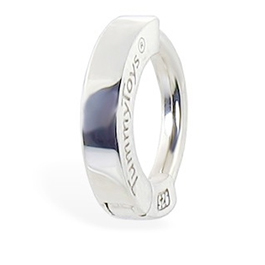
“My TummyToy sterling silver sleeper belly ring was the purchase I ever made online. I was working at McDonalds and I was 15 and I thought your products were so cool and different I decided to make the (then) very extreme decision to actually purchase something from the internet! Haha! That was nearly 8 years ago now and I just took it out earlier today to give it a polish and realised how long it had been. I still love my belly ring dearly and have not taken it out other than for a clean. I just wanted to say that I still think your products are so cool and the quality is outstanding. Thank you for giving me my first and favourite internet purchase ever.“
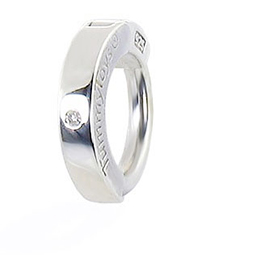
“Just received my beautiful silver tummy toys huggy and swinger. I Love them, so different, so comfy and I will be back for more. Never seem anything like this here in the UK so it's causing quite a few comments. Thank you so much. “
“I had been having a lot of trouble with infections since I had my belly pierced eight months ago. I thought this may be due to the titanium in the cheaper style rings so purchased this silver one in the hope it would help. I'm pleased to report it has worked, so I will now be looking at getting the silver rings with gem stones.“
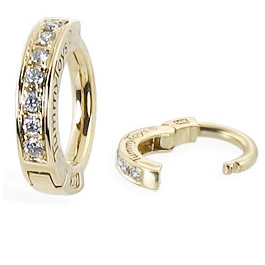
“I picked up my belly ring from the post office yesterday. It is all safe and sound and fits really well. It looks beautiful!! Thank you so much for all your help with this - you've really gone above and beyond!“
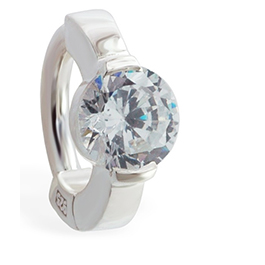
“I just recently found your website & I love it!!! I bought a sterling silver belly ring (I have an allergy to nickel & had a hard time finding these type of rings). I received my belly ring today & LOVE it!! It is so pretty & easy to put in!!! I just bought a charm to go with it & I can't wait for it to come in.“
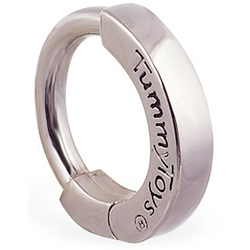
“Love it! At first i wasn't sure if I liked it as its so different to my other belly bars I've bought in the past but I've definitely grown to love the simplicity of it! I think I'd like to buy a rose gold one now :p“
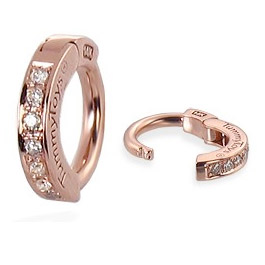
“Wow this is what I call to be on time, my package have arrived 2 days after I made the order, have to say that I am very impressed with my new belly rings, they look even better than in the web page, thanks so much for the gift, I loved it!“
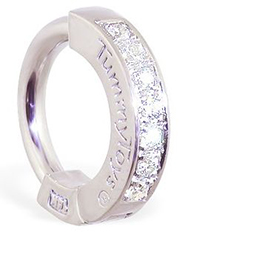
“Loving my shopping experience. Thank you for having such a wonderful website. I have looked all over at a variety of other sites and stores, and you not only have a fantastic selection of all the metals, but great prices.“
“Just letting you know the present arrived yesterday for my partner’s birthday that I ordered earlier this week. She was extremely impressed and overwhelmed with the surprise. She cannot wait till we see each other in January to thank me for it. Again, thank you for the wonderful service and product that you provided.“
“Good morning Helene, The gift went very well and was quiet a surprise for my friends birthday. It finally arrived considering the issue we had with Australia Post, they weren't always too helpful, I have addressed that issue with them already, just awaiting for a reply from them. The service and support that you provided was extremely appreciated and professional, I thank you very much for that. I have liked the products and service from your company, which is obvious by me placing another order for my wonderful partner for her birthday which she will receive by the weekend, fingers cross. I have also been trying to do this while overseas with work, so the time difference is difficult. Thank you for everything and keep up the awesome work and customer service.“
“I got my navel pierced for my birthday last year and, as I am sure many of you know, these things heal relatively slowly, with fits and starts of irritation. I was using the original piercing jewelry (stainless steel barbell) but, of course, it would get caught on something every now and then and there would be another bout of irritation, Plus, stainless just isn't the same as gold or silver for me. I found Tummy Toys online and found the sleeper belly ring - silver and meant for comfort - and figured that I had to try it. Well, I order it and some other jewelry. I live in the U.S. and I was given a deliver by date of 10/9. The jewelry arrived about September 5th, which was great. But the silver sleeper belly ring is really the star. It is comfortable and doesn't get caught on clothing. The metal does not irritate my piercing. I am so happy! If you have trouble with irritating metal or jewelry that gets caught on clothing, Tummy Toys is a must buy!“
“Received my belly ring today and it's absolutely stunning on. I wasn't expecting the shipping to be so fast. I like the free belly ring too. Keep up the great job TummyToys, please be expecting me to come back and order some more soon :)“
